
MY FREEDOM ROAD

Updated: Aug 27
A Reflection from the People Who Made Me
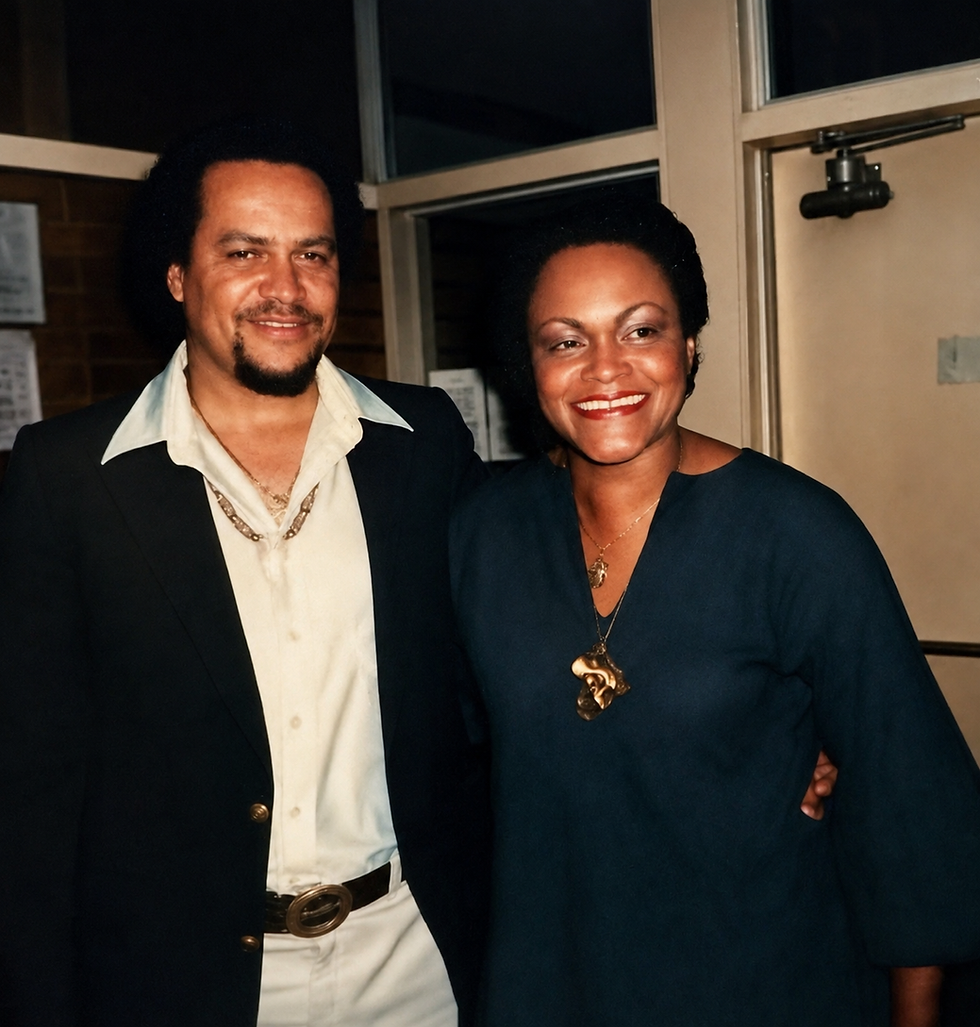
I come to this page carrying two inheritances:
the mind of a father who made hard truths plain,
and the living love of a mother whose arms
have always known how to gather me whole.
Between Asa’s lesson and Patsy Jo’s heartbeat,
their baby SUN received a map without knowing it,
a way through the dark places that would misname him,
and a way back whenever the world made him strange to himself.
The lesson began with a sheepdog
who believed, with all his heart, that he was a sheep.
He opened his eyes in the middle of the flock
and accepted their reflection as proof of his own.
He studied the bend of their knees,
pressed his voice down until his bark became shameful,
and hid every instinct that disturbed the pasture,
never knowing his difference was calling him by name.
When the flock gathered to have its promise measured,
they gave him the Sheep Aptitude Test
questions imagined by sheep, answered by sheep,
to measure everything the pasture considered worthy.
Nothing natural to the dog appeared on the examination.
His hearing, courage, vigilance, and powerful scent
stood outside the questions like children locked from a classroom,
while the score entered his record and called him deficient.
The measure failed to recognize him,
but he carried its blindness as his shame.
He worked twice as hard to become half of himself
and apologized whenever his buried nature showed.
Still, the sheep chose him to lead the flock.
They gathered around him whenever he entered the pasture,
called his difference greatness, his presence a blessing,
and raised him high enough to keep him from looking inward.
Their admiration filled the place
where the knowledge of himself should have lived.
He became proud of being the finest sheep among them,
never knowing he was not a sheep at all.
Soon applause put on the robes of character,
and position began answering to the name of wisdom.
They did not celebrate him because he was great;
they decided he was great because he was celebrated.
The sheepdog rested beneath the porch
and mistook cool air seeping through the floorboards
for a room inside the house
that had been prepared especially for him.
He wore their praise proudly against his heart,
forgetting praise can be a beautifully engraved instruction.
He could not see that permission is not possession,
that a longer rope is still a measurement of distance.
Then someone looked beyond the score
and saw the creature trembling beneath it
ears gathering warnings from beyond the field,
eyes following what the darkness tried to hide.
They gave him the D.A.T.
the Dog Aptitude Test
and nothing new was added
to his mind, his body, or his blood.
The examination simply let his gifts speak
in the language for which they had been created.
The dog had not changed between the two tests;
only the measure had learned how to see him.
Then came the line I still carry from the story:
“If in the revealing light,this is what I see.”
And in that light, he saw everything.
He saw the paws he had punished for not becoming hooves,
the teeth he had hidden to keep the flock comfortable,
the strong back he had bent beneath a borrowed identity,
and the tail that had wagged whenever the pasture approved.
His bark returned carrying forgotten music,
but the first sound he made was not triumph.
It was the wounded cry of a creature discovering
how many years he had participated in his own disappearance.
He remembered every time the sheep had laughed
and he had laughed with them to prove he belonged.
He remembered correcting other dogs for barking,
warning them that such sounds would embarrass the flock.
He remembered standing proudly at the front
while leading everyone in circles,
mistaking movement for direction
because the applause had been so loud.
The shame entered him like winter.
He wanted to tear the score into pieces,
to accuse the sheep, the pasture, and the test,
but anger could not return the years
he had spent rehearsing another creature’s face.
Freedom asked something harder of him:
to look without turning away,
to grieve without building a home inside the grief,
and to forgive himself without excusing what he had done.
He had been trained thoroughly,
but the teeth were still his own.
The wound explained why he had forgotten;
it could not become permission to keep forgetting.
So he began again, not by hating sheep,
nor by pretending he had always known he was a dog.
He began by standing honestly inside his embarrassment
until truth no longer felt like an accusation.
He listened for the bark beneath the bleating,
followed his own scent beyond the familiar gate,
and exercised gifts weakened by years of hiding
until instinct and memory recognized each other.
He learned that education should never make a dog a better sheep.
It should uncover what the pasture buried,
return the ancient music to the tongue,
and make the mind large enough to recognize itself.
I know this because I, too, have entered rooms
where welcome carried an unspoken condition.
I have made my truth smaller, trusted applause over reflection,
and worn my silence as though it were wisdom.
What good is education if it teaches me to disappear?
What good is position if I do not know who stands in it?
What good is being celebrated throughout the pasture
if I must bury my nature to remain its leader?
I will not become so accomplished at passing their test
that I fail the sacred examination of knowing myself.
I will not trade the horizon planted inside me
for cool air slipping through somebody else’s floor.
The sheepdog finally rose before the flock without pretending.
He did not despise the sheep for being sheep;
he simply refused to disappear inside their reflection
or surrender his name to remain their leader.
Everything once called deficient within his nature
became evidence that the first measure was too small.
The bark returned, the buried memory answered,
and the dog came home to himself without leaving himself behind.
This is what Asa and Patsy Jo placed in me:
truth with enough backbone to stand upright,
love with enough room to hold an awakening,
and mercy that never requires the mirror to lie.
Pop wrote, “Lessons keep coming because freedom is not a place;
it is merely a launching pad.”
So I will not sit inside freedom admiring how far I have come.
I will rise from it, carrying every self I once abandoned,
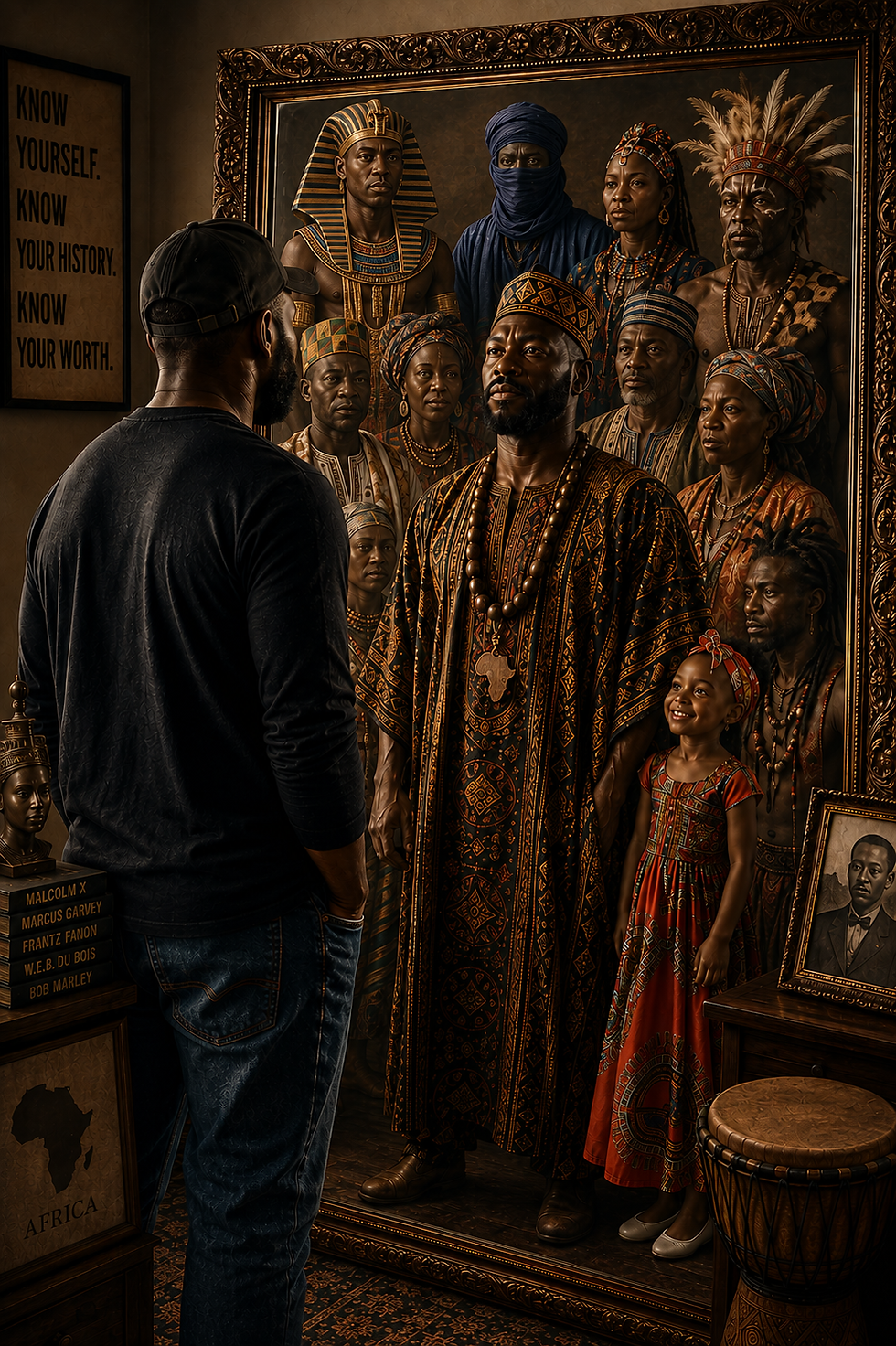
and if this story has placed a mirror in YOUR hands,
do not praise the mirror.
Have the courage to recognize the face.


Comments